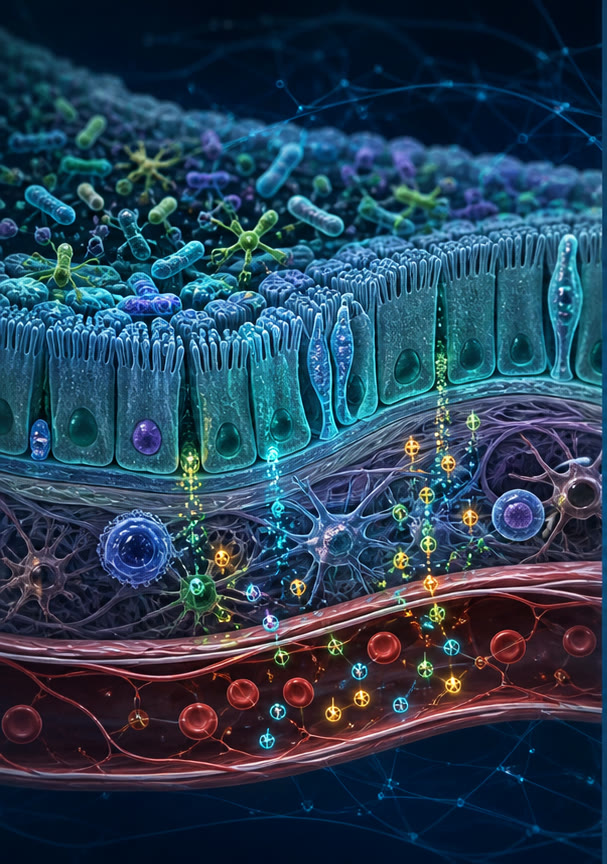
Microbiome–host systems
Map microbial communities, metabolites and host responses in metabolic disease, then identify actionable postbiotic signals.
View programme →
We connect gut microbial ecology, host tissues and computational design to discover mechanisms and build measurable interventions for metabolic health.
Three connected programmes move from biological observation to causal mechanism and then to an intervention that can be engineered and translated.
Map microbial communities, metabolites and host responses in metabolic disease, then identify actionable postbiotic signals.
View programme →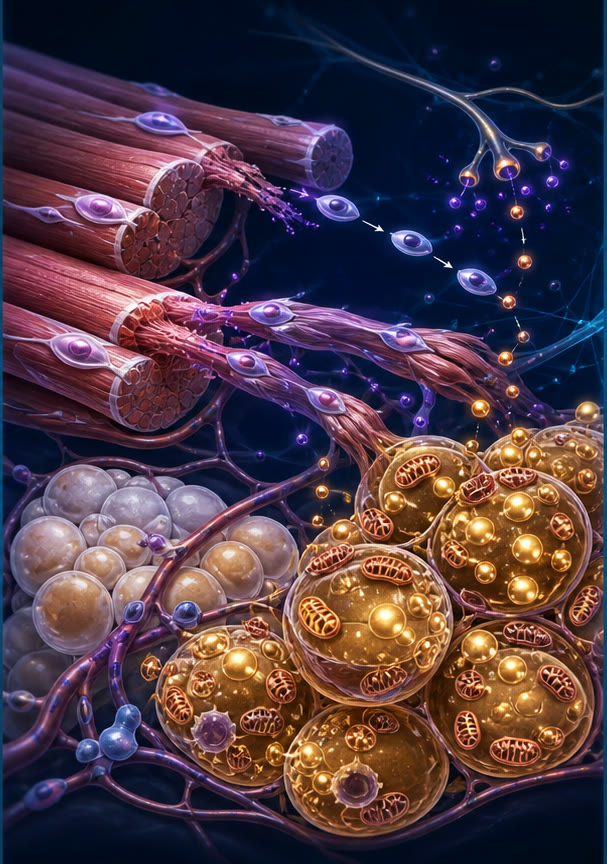
Understand how skeletal muscle and adipose stem-cell programmes communicate across organs during ageing, injury and metabolic stress.
View programme →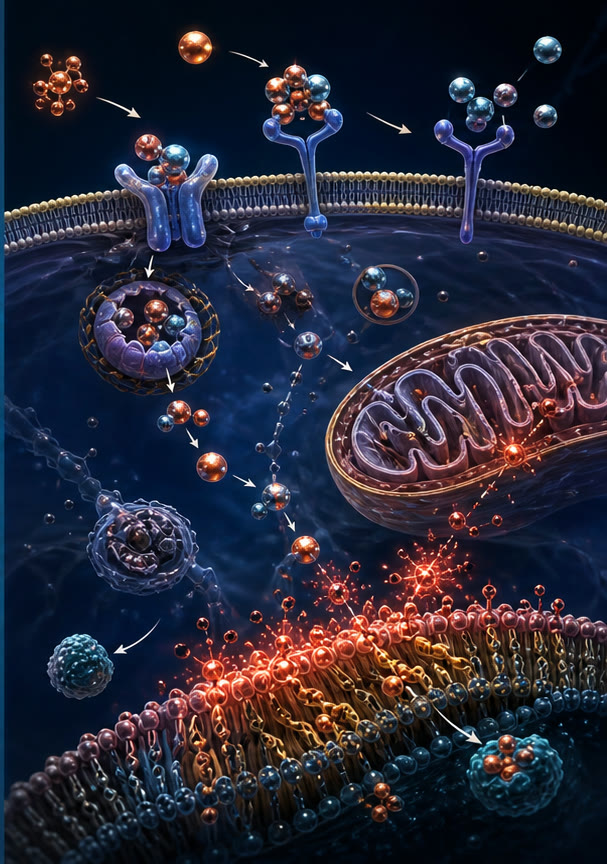
Combine copper, iron and redox biology with machine learning, screening and multi-omics to design safer interventions.
View programme →A short reading list for the lab’s current scientific arc. The complete publication record is kept on the Publications page.
A mechanistic bridge between skeletal-muscle remodelling, inter-organ communication and resistance to metabolic disorders.
Read the study →A reproducible browser workflow for preprocessing, statistics, visualisation and teaching-ready reports.
Read the paper →Microbial products connect gut ecosystem engineering to a measurable host energy-expenditure programme.
Read the article →Selected announcements, papers and lab milestones. Visit News for the archive.
Our team and collaborators synthesise emerging links between trace metals, cell death and disease biology. Institutional announcement →
The study reports IAA–AMPK signalling as a route from engineered microbial products to improved metabolic physiology. Article →
The new lab programme brings together microbiome–host interactions, tissue metabolism and computational design. Profile →
Reusable web tools turn our research workflows into practical infrastructure for students and collaborators.

Browser-based multi-omics analysis with teaching workflows and GitHub-ready exports.
Open tool →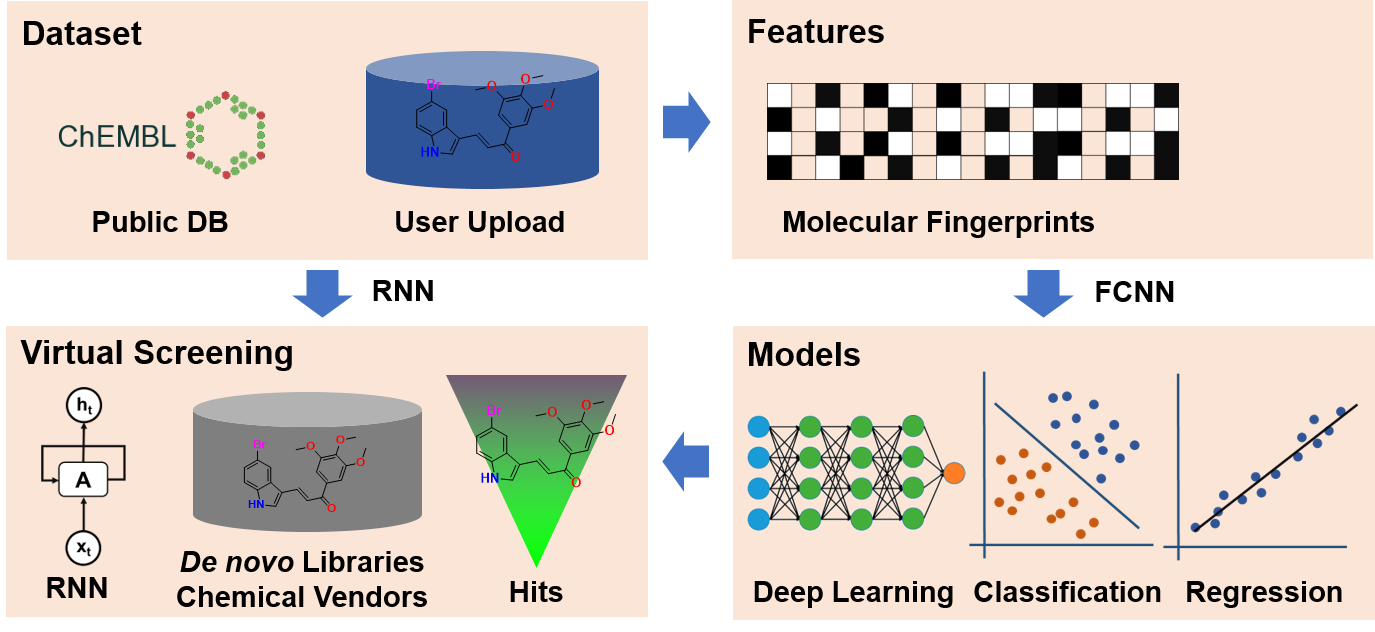

We welcome curious students, postdoctoral researchers and collaborators who want to connect biology with computation.



Research Group for Gut Microbiome and Health (RGGMH) at Guangdong Institute of Microbiology was established by Dr. Liwei Xie and funded by grants from Guangdong Academy of Sciences and Guangdong Institute of Microbiology. Dr. Liwei Xie was trained in the area of both Molecular Nutrition and Computational Biology in United States in 2007-2017. The research group focuses on the AI-algorithm development and application in drug design, functional and health benefit small molecules and nature products design and screening, targeting gut microbial dysbiosis-associated metabolic diseases, such as Type 2 diabetes (T2D) and obesity. Our group has state of art research facilities including high-throughput screening and computation system, single cell screening, isolation and sequencing system, health and disease related transgenic mice and gut microbiome models. We aim to provide basic biomedical training not only for graduate students and postdoctoral researchers, but also for clinical students and doctors with respect to the translational studies.